
Exploring the psychology behind winning at casinos
The Allure of Gambling: Understanding the Attraction
The world of casinos is filled with bright lights, enticing sounds, and the promise of big wins, which contributes to their irresistible allure. These environments are meticulously designed to captivate and engage players, tapping into various psychological triggers that make gambling appealing. For many enthusiasts, the enjoyment can often be found by exploring best sports betting sites uk, where the thrill of chance and the possibility of winning creates a unique excitement, drawing individuals to take risks they might avoid in other aspects of life.
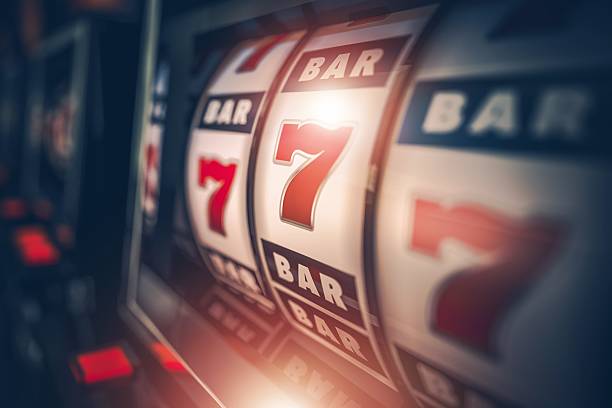
This attraction is further enhanced by the notion of reward systems in the brain. When players win, their brains release dopamine, a neurotransmitter associated with pleasure and satisfaction. This chemical response reinforces the behavior, encouraging individuals to continue playing, often leading to a cycle of repeated gambling that can be hard to break.
The Role of Risk and Reward in Gambling
The psychology of risk plays a critical role in how individuals approach gambling. Many players find the uncertainty of outcomes stimulating, as it provides a sense of thrill and adventure. This environment can lead to a phenomenon known as “loss chasing,” where players continue to gamble in hopes of recouping losses. Despite the odds often being against them, this behavior showcases a fundamental psychological trait: people tend to overestimate their chances of winning.
Additionally, the structure of games in casinos—such as near misses—can manipulate perceptions of risk and reward. When players almost win, they may feel encouraged to continue playing, believing that a win is just around the corner. This psychological trickery keeps players engaged and perpetuates their gambling activities, contributing to the casino’s bottom line.
The Influence of Environment on Gambling Behavior
The ambiance of a casino is a powerful influencer of player behavior. The layout, lighting, and even the music are carefully curated to create an inviting atmosphere that keeps players in a state of excitement. The lack of windows and clocks also contributes to a warped sense of time, making it easy for individuals to lose track of time and money. This carefully constructed environment can lead to impulsive decision-making, often resulting in larger bets and prolonged playing times.
Furthermore, social interactions within a casino can boost players’ confidence and create a sense of belonging. Sharing experiences with others can amplify the highs of winning and provide a comforting context for losses. This social element adds to the excitement and can significantly impact a player’s willingness to take risks, further emphasizing the psychological complexities behind gambling behavior.
The Impact of Cognitive Biases in Gambling
Cognitive biases play a significant role in how players perceive their experiences at casinos. For instance, the “gambler’s fallacy” leads individuals to believe that past outcomes can influence future ones—in other words, if they lose several times, they are more likely to win soon. This misconception can lead to irrational betting behaviors and increased risk-taking.
Another common bias is the “illusion of control,” where players believe they can influence the outcome of games largely based on chance, such as dice rolls or card distributions. This belief can lead to overly aggressive betting strategies, as individuals feel empowered by their perceived influence. Understanding these biases is crucial for players looking to develop a healthier relationship with gambling.

Conclusion: Finding Balance in Gambling Activities
As we explore the psychology behind winning at casinos, it’s important to recognize the intricate balance between enjoyment and potential pitfalls. While the thrill of gambling can be exhilarating, awareness of the psychological factors at play can help individuals make informed decisions. Recognizing the influence of environment, cognitive biases, and the inherent risks involved in gambling can empower players to enjoy their experiences responsibly.
Ultimately, for those navigating the realm of casinos, continuous self-reflection and mindfulness about gambling habits are key. By understanding the psychological mechanisms that drive behavior, players can aim for a more balanced, enjoyable, and sustainable approach to their casino experiences.